

Lost a business receipt in Cyprus? What to do next
Recover a missing business receipt or invoice in Cyprus, keep the payment traceable and separate bookkeeping from income-tax and VAT evidence questions.
In this guide8 sections
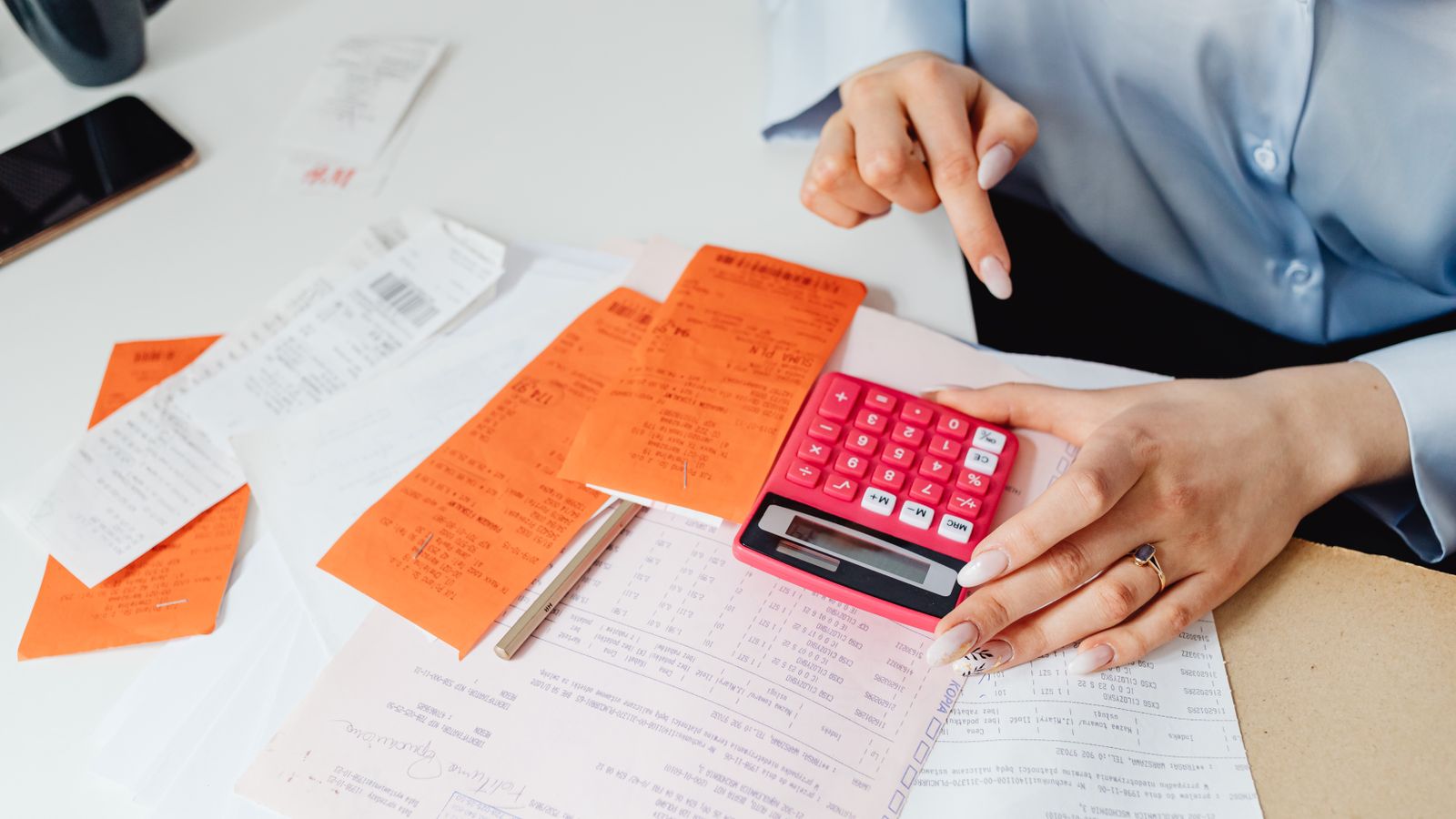
The company card shows a payment, but the receipt has vanished. Perhaps it was a faded paper slip, an email sent to a former employee or an invoice hidden in a supplier portal. The first task is to recover the original purchase evidence, while keeping the payment traceable in the books.
Missing evidence creates more than one question: how to record the cash movement, whether a tax deduction is supported and whether input VAT can be recovered. Those questions should not be collapsed into a single guess.
Find out what document is missing
Check whether you need a purchase invoice, receipt, credit note or evidence of payment. Sometimes the invoice is present but the payment reference is not. Sometimes the bank entry is present but nothing identifies what was bought.
Search the supplier account, email, cardholder records and the company's document inbox. Match by date, amount, order reference and merchant name. A trading name on the card statement may differ from the supplier's invoice name.
For a VAT document, use Cyprus invoice requirements to check what it should contain. A payment confirmation is not automatically the purchase invoice.
Ask the supplier for a replacement copy
Send enough information to identify the purchase without disclosing unnecessary personal or card data. Give the transaction date, amount, order number if available and the company details used for the purchase.
You can use this request:
Ask for the original transaction document, not a newly invented purchase dated today. When the replacement arrives, link it to the existing entry and check that it is not imported as a second expense.
If the original invoice named a different buyer, resolve that fact with the supplier and reviewer. Do not edit the supplier's PDF yourself to make it fit the books.
Keep the bank transaction visible
Reconcile the payment to the statement and mark the missing evidence clearly. Where the business purpose and treatment are not yet established, use the agreed unresolved-item process rather than guessing the final expense account.
Keep the amount, supplier, date, cardholder, possible purpose and next action together. An internal note can explain your investigation, but it is not a supplier-issued tax invoice.
For example, a €75 payment to an unfamiliar merchant should remain traceable while you establish whether it was company software, a private purchase or a refunded transaction. Deleting it because there is no receipt would leave the bank reconciliation incomplete.
Follow the bank reconciliation guide and monthly checklist so missing documents do not accumulate unnoticed.
Assess income-tax evidence separately
Paying from a company account does not prove a business purpose. The Income Tax Law requires deductible expenses to be incurred wholly and exclusively in producing income. The nature of the cost and supporting evidence both matter.
If a replacement cannot be obtained, collect the evidence that does exist: order confirmation, contract, correspondence, delivery record and payment. Have the deduction assessed on the actual facts. This article does not promise that an internal declaration will be accepted in place of a receipt.
Use tax-deductible company expenses for the wider rules. If the purchase was personal, record that honestly rather than trying to reconstruct a business explanation.
Check VAT before making a recovery claim
A card payment does not tell you whether VAT was charged, whether the supplier was registered or whether the purchase qualifies for recovery. Do not divide every gross payment by a VAT rate and assume you have found recoverable tax.
The VAT regulations set documentary conditions for deducting input tax and allow the Commissioner to permit otherwise. That is not an automatic right to replace an invoice with your own note.
Recover the valid document where possible. Where it cannot be recovered, have the evidence and any alternative route reviewed before claiming. A cost's bookkeeping entry and its VAT recovery can need different treatment.
If the issue affects a return already filed, use the VAT correction guide. Do not quietly rewrite the old figures and assume the filed return has changed with them.
Handle personally paid costs with the same care
When a director or employee paid personally, request the supplier document, proof of payment and business purpose together. Link any reimbursement to that claim.
The company paying the person back does not produce a second expense or cure missing evidence. Keep private spending separate, and review mixed-use costs. The owner-payment guide shows how the reimbursement liability and payment fit together.
Prevent the next missing receipt
Collect the document when the purchase happens. Keep supplier subscriptions associated with a company-controlled email address, save portal invoices regularly and make someone responsible for documents from each card.
For paper receipts, capture a readable copy before it fades. Include the whole document and check the date, amount and supplier details are legible. Keep the archive under the applicable accounting-record requirements.
Use the Sumly document inbox walkthrough and supplier invoice walkthrough to review the practical collection process.
Bring the unresolved records to a Sumly discussion
Book a free demo of Sumly's AI bookkeeping system for Cyprus limited companies. Bring examples of your missing-document list and the records available, so you can discuss the bookkeeping workflow with concrete transactions.
Compare Sumly plans or visit bookkeeping services for the level of support you want. Free migration of existing books is available, with a 30-day free trial, no card needed.
Frequently asked
Can a bank statement replace a lost receipt?
It proves a payment but may not establish the purchase details, business purpose or VAT treatment. Request the supplier document and have any remaining evidence assessed separately for tax and VAT.
Should I delete a payment with no supporting receipt?
No. Keep the cash movement traceable, mark the missing evidence and investigate its treatment. Deleting it would leave the bank records incomplete.
Will a replacement invoice create a second expense?
It should support the existing transaction, not create a duplicate. Match it to the original payment and entry when it arrives.
Related articles
Bookkeeping costs in Cyprus: what are you actually paying for?
Compare Cyprus bookkeeping quotes by scope: software, monthly records, payroll, tax filings, year-end accounts and audit or review fees.

Cyprus company monthly bookkeeping checklist
Close your Cyprus company's books each month with a practical checklist for documents, invoices, bank accounts, payroll, VAT balances and reports.

Paying yourself from a Cyprus company: a practical bookkeeping guide
Record money paid to a Cyprus company owner correctly: salary, dividends, expense reimbursements and loan repayments, with documents and worked examples.